Swiss Data Protection Standards Shaping Player Interactions with Mobile Live Dealer Tables and Slot Rewards
Geschrieben von Mara Long · 16.10.2026
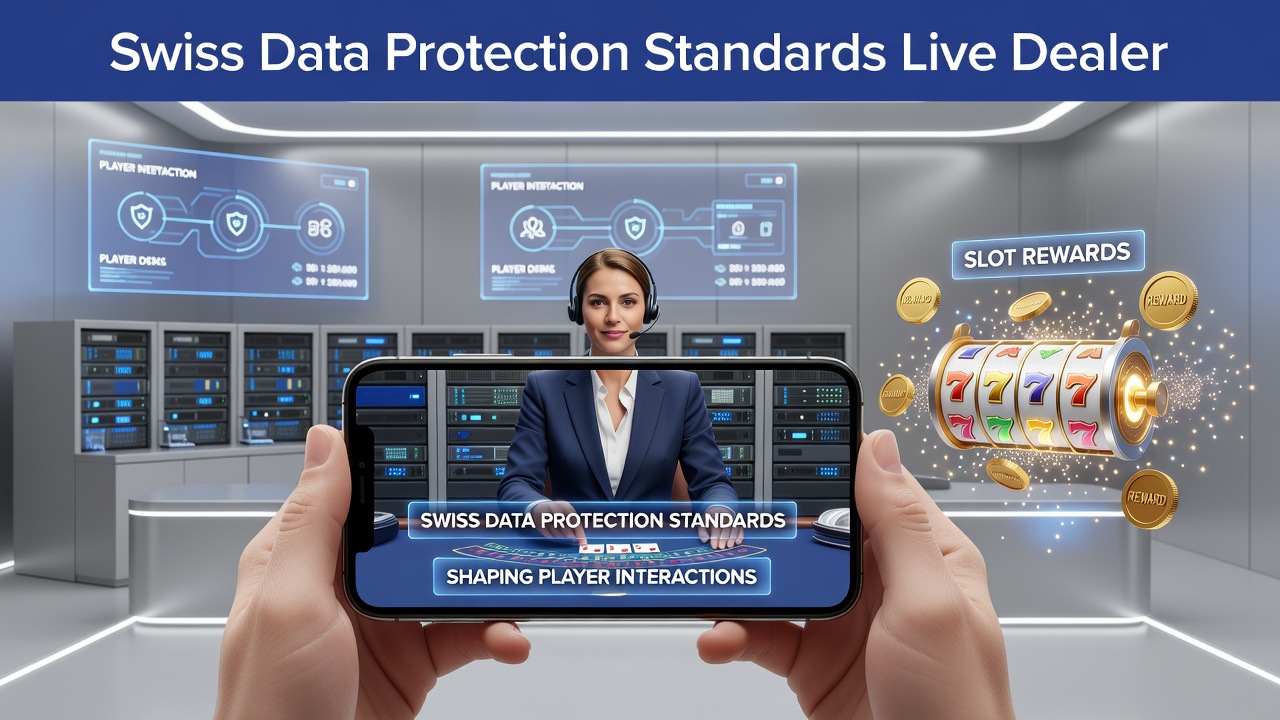
Swiss Data Protection Standards Shaping Player Interactions with Mobile Live Dealer Tables and Slot Rewards
Swiss data protection standards continue to influence how players engage with mobile live dealer tables and slot reward systems, particularly through requirements outlined in the Federal Act on Data Protection that took effect in 2023 and underwent further alignment reviews scheduled for October 2026. These rules mandate explicit consent mechanisms before any personal data collection occurs during live streams or reward tracking, which forces platforms to integrate clear opt-in screens at the start of each session. Players encounter these prompts when accessing real-time dealer interactions, where video feeds and chat functions collect identifiers such as device IDs and session durations.
Core Elements of Swiss Data Protection in Gaming Contexts
Researchers from Swiss academic institutions have documented how the revised data protection framework requires anonymization of behavioral data before it feeds into reward algorithms for slots and live tables. This process separates identifiable player information from aggregate patterns that determine bonus triggers, while platforms must maintain audit trails that regulators can access upon request. Data minimization principles limit the storage of location data from mobile devices to only what proves necessary for compliance checks, which affects how geofencing operates during live dealer sessions.
Live Dealer Table Interactions Under Data Rules
Live dealer platforms operating under Swiss jurisdiction must encrypt all video and audio streams that capture player actions, and they route these through servers located within the country or approved EU partners. When participants join a blackjack or roulette table via mobile apps, the system logs interactions like bet placements and chat messages only after obtaining granular consent for each data category. Studies conducted by European data protection networks show that these steps reduce unauthorized secondary use of player profiles, although they extend the initial connection time by several seconds on average.
Observers note that cross-border data transfers during international dealer collaborations require additional safeguards, including standard contractual clauses updated in line with Swiss Federal Data Protection and Information Commissioner guidance. Mobile users often see real-time indicators confirming that their session data remains protected under these standards, which builds procedural transparency without altering core gameplay mechanics.
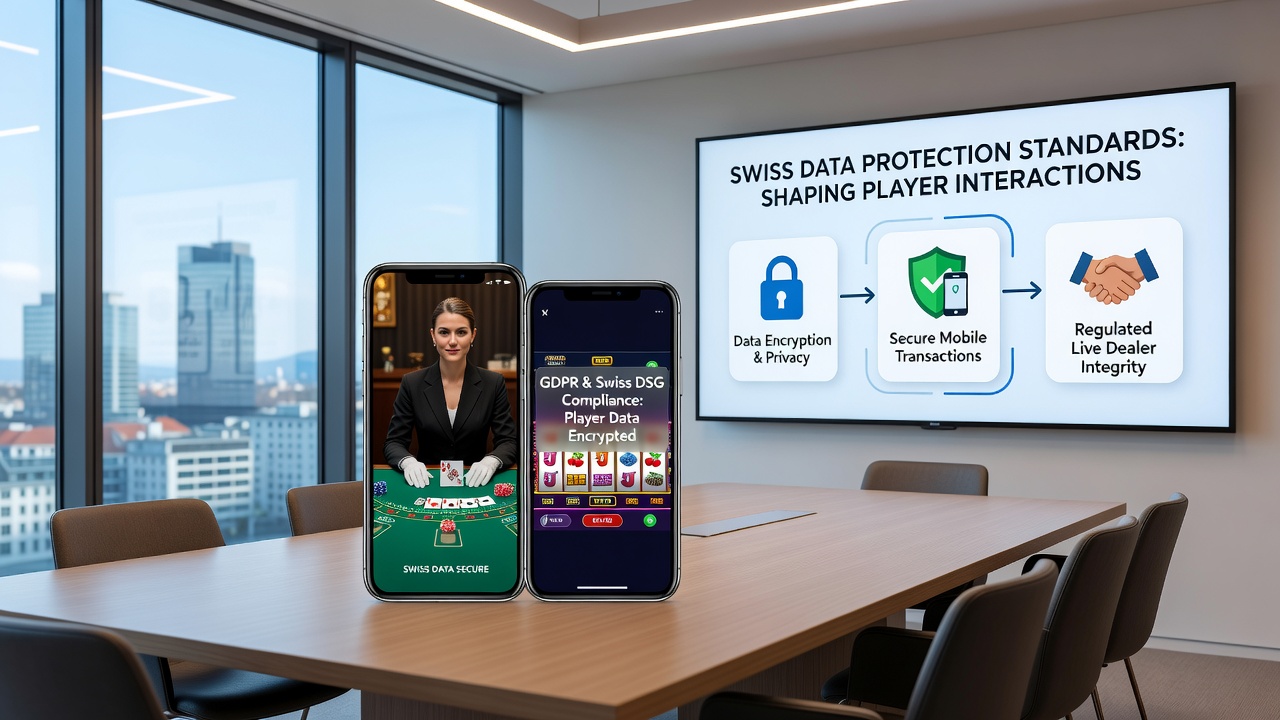
Slot Reward Systems and Consent Protocols
Slot reward programs collect spin histories and win frequencies to calculate loyalty points, yet Swiss standards require separate authorization for linking this information to player accounts across multiple sessions. Operators segment reward data into tiers that prevent direct identification unless users activate advanced personalization features. Industry reports from the Swiss Gaming Federation indicate that these segmented approaches maintain reward accuracy while complying with retention limits that cap data storage at twelve months unless renewed consent is granted.
Platforms incorporate progressive disclosure notices that explain how reward calculations use anonymized datasets, allowing players to adjust settings before each play period begins. When October 2026 updates to the Federal Act on Data Protection introduce enhanced breach notification timelines, slot operators plan to deploy automated alerts that notify users within 72 hours of any detected incident affecting reward profiles.
Player Behavior Patterns and Compliance Adjustments
Analyses from university research groups reveal that players adapt their interaction styles once data consent flows become routine, often pausing to review permissions before entering live dealer environments. Mobile interfaces now feature collapsible sections that detail data flows for both table participation and reward accumulation, which reduces friction over repeated sessions. These adjustments align with broader European trends documented in reports from the European Data Protection Board, where similar consent architectures appear across regulated markets outside the UK framework.
Device-level controls, such as those integrated into iOS and Android operating systems, further intersect with Swiss requirements by letting users revoke access to camera or microphone permissions mid-session. Such revocations automatically pause live dealer streams until reauthorization occurs, preserving compliance without interrupting underlying game servers.
Conclusion
Swiss data protection standards continue to integrate directly into the technical architecture of mobile live dealer tables and slot reward mechanisms through consent layers, encryption mandates, and retention controls. These elements shape session initiation, data handling during play, and reward distribution processes across platforms. As October 2026 approaches with anticipated regulatory refinements, operators maintain ongoing adjustments to keep player interactions aligned with current legal expectations while preserving functional access to live and reward features.